Hi, I’m James. Thanks for checking out Building Momentum: a newsletter to help startup founders and marketers accelerate SaaS growth through product marketing.
Get the next post in your inbox
Practical product marketing and GTM ideas, weekly.
Top takeaways:
- 100 B2B AI SaaS hero sections reveal a clear maturity curve as they evolve: what it is → what it does → what it means.
- 58% of companies lead with benefits, but few make the full leap to detailing value
- “Efficiency” dominates messaging, but splinters into five subtypes: speed, automation, focus, simplicity, scalability.
- Later-stage leaders are calm and declarative: confidence replaces hype.
- Great messaging isn’t clever; it’s sequenced. Comprehension, belief, authority.
The hero section is where a lot of AI startups stumble: not from laziness, but from moving fast without a clear message. The market is noisy, categories are shifting, and everyone is racing to plant a flag. In the rush, clarity is the first casualty.
The result is a sea of AI websites that look modern, feel expensive, and say almost nothing.
So I decided to study it properly.
I analyzed 100 funded B2B AI startups, all launched or funded within the past 18 months. I looked only at the hero section and broke it down line by line.
I wanted to understand how companies are positioning themselves at the most critical moment of first impression. What they’re promising, what they’re proving, and what they’re getting ‘wrong’.
Your hero section is a complete argument in miniature, not at all decoration. In five seconds, it must make a claim, show evidence, and earn belief. The headline is your thesis. The subtext is your proof, and the CTA is your ask.
So your messaging needs to work hard. Every word reflects what you know about your customer, how confident you are in the product, and what you want them to believe.
In this post:
How the study worked
Each site was coded across five dimensions:
- Headline focus: feature, benefit, or value
- Sentence structure: declarative, imperative, aspirational, or question
- Value proposition: efficiency, growth, cost, risk, or convenience
- Supporting copy function: elaboration, trust, or feature explanation
- Hero elements: CTAs, visuals, proof devices (logos, metrics, awards)
Once I’d classified everything, I could see clear trends: how language maturity tracks with funding stage, how tone correlates with motion, and how proof devices evolve from product to platform.
And what emerged was a simple truth: as AI companies grow, their messaging matures from “what it is” to “what it does” to “what it means.”
Three archetypes of AI messaging
When you zoom out, every company in the dataset falls into one of three storytelling patterns. Some lead with what they’ve built, others lead with what it delivers – and a small group lead with the outcomes their customers can achieve.
Those differences aren’t stylistic; they reveal how each company understands its buyer.
1. Feature-centric (26%)
This group leads with the product itself.
“The AI Spreadsheet.”
“AI-powered data migration.”
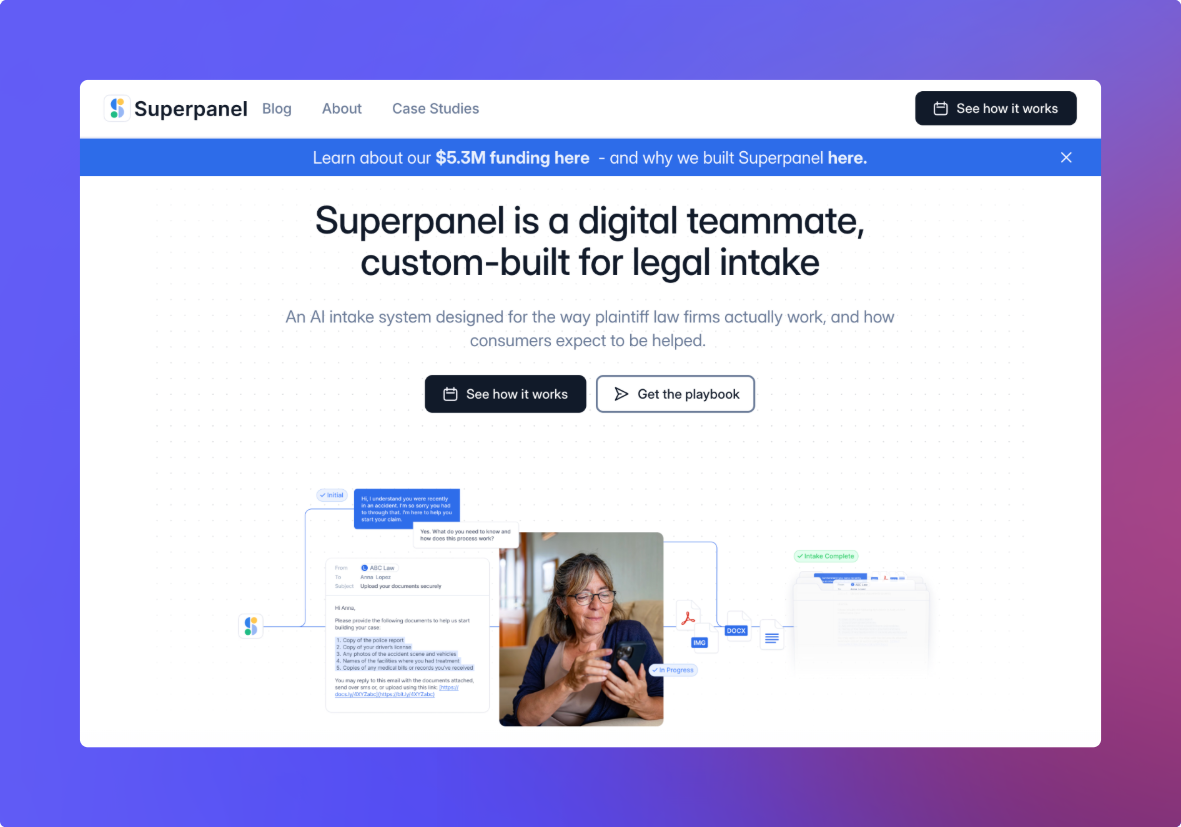
You see this most often in Seed and Series A companies. They’re still defining a category and selling to early adopters who want specificity, not slogans. For technical audiences, clarity is credibility.
Feature-centric messaging works because it reduces cognitive friction, but early-stage messaging often fails when marketers try to be too creative. The best headlines sound obvious because they’re built on empathy with how users actually search or think.
But the risk is narrowness. If all you ever talk about is what it is, you’ll struggle to sell beyond early adopters.
2. Benefit-centric (58%)
By Series B, the conversation shifts. The company has proof points, customer stories, and a repeatable funnel. Messaging now moves from what it is to what it does.
“Accelerate your workflow with AI insights you can trust.” (AlphaSense)
“Transform every customer experience with AI agents.” (Cresta)
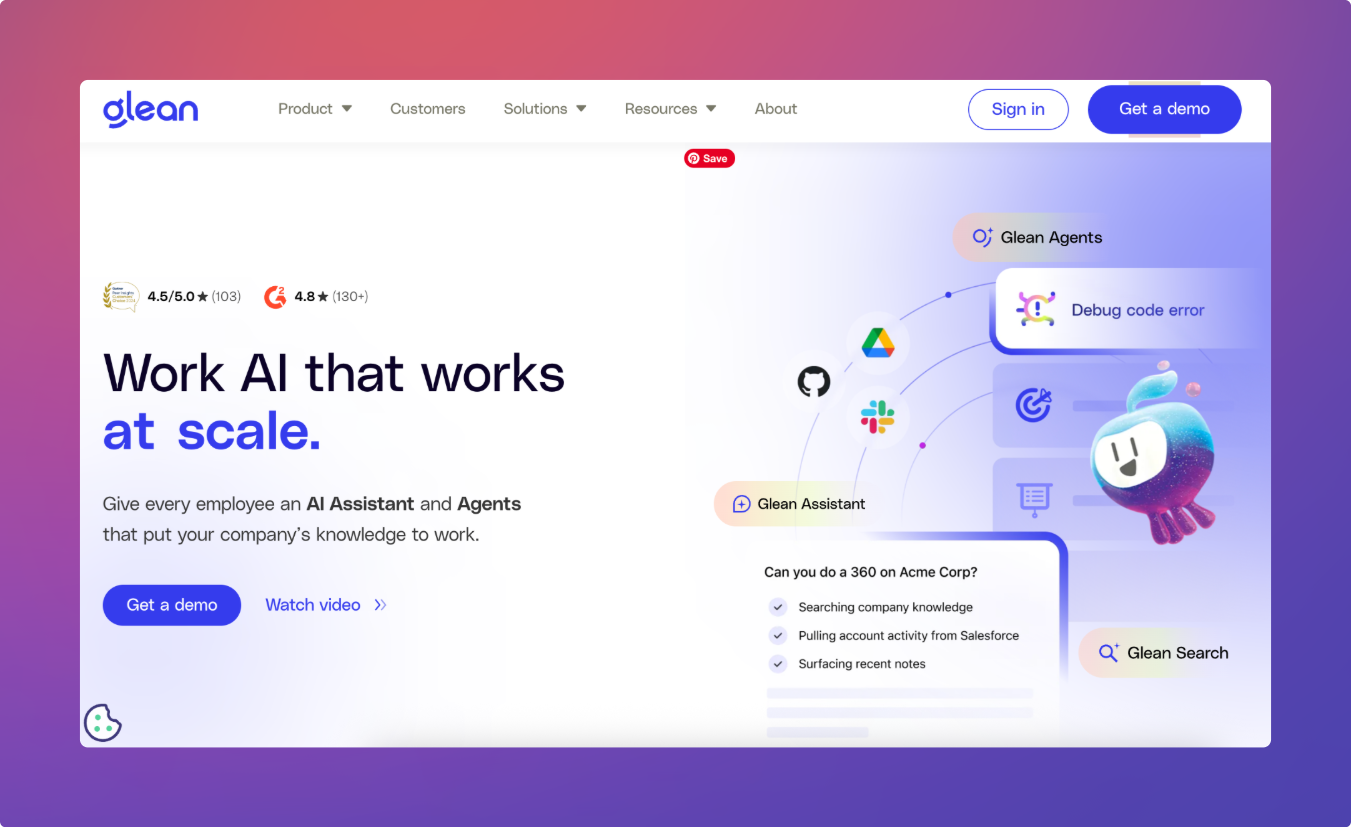
These aren’t outcomes yet. They’re the first-order effects: things like faster work, smoother collaboration, or fewer blockers.
Benefits describe the direct, visible impact of using the product, not the downstream business result.
That distinction matters. A feature tells me what it does. A benefit tells me what it changes immediately for me. Value tells me why that change matters.
The strongest benefit messaging translates capability into consequence.
Examples:
- Save time → finish projects faster
- Improve accuracy → reduce rework
- Simplify workflows → less cognitive drag
When written well, benefit-led messaging creates momentum. It makes the buyer believe that change is not only possible: it’s already happening.
But most companies stop there. They never connect the benefit to the business driver behind it.
3. Value-centric (16%)
This is the rarest and most mature form of messaging, the kind that doesn’t just sell what the product does, but what it creates.
You know it when you see it.
It’s not “AI for X.”
It’s “Eliminate crime.” (Flock Safety)
Or “Time is money. Save both.” (Ramp)
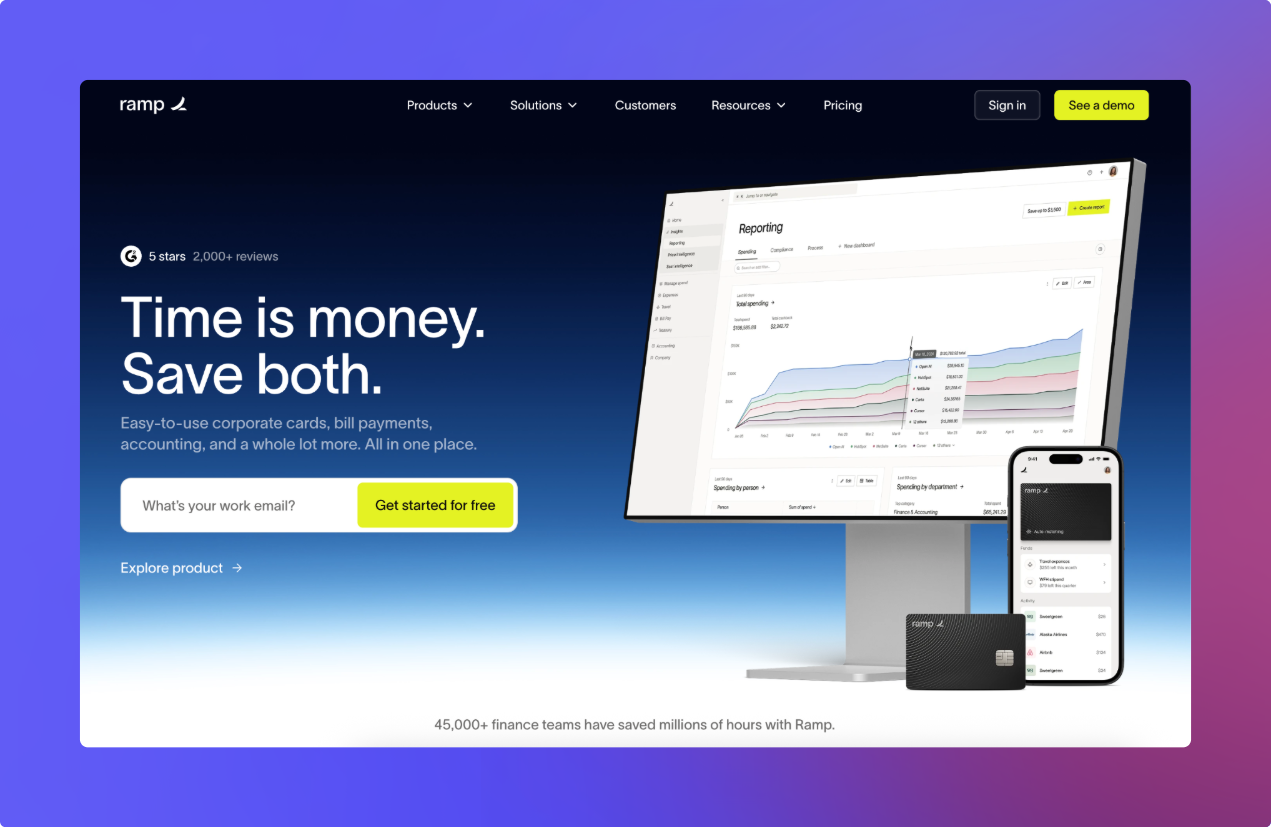
These companies aren’t selling capability or even efficiency. They’re selling value: the measurable outcomes that justify the decision, the spend, and the belief.
Value-centric messaging is where your story shifts from “why it works” to “why it matters.” It replaces effort with evidence, and makes the ROI tangible.
Value isn’t abstract. Value is the business delta your buyer can defend in a meeting: revenue unlocked, risk reduced, cost avoided, time converted into cash flow.
This is where the concept of value nuggets come in: the small, evidence-backed links between what your product delivers and the metric that matters most to your buyer.
Craft strong messaging with value nuggets
·
1 April 2021
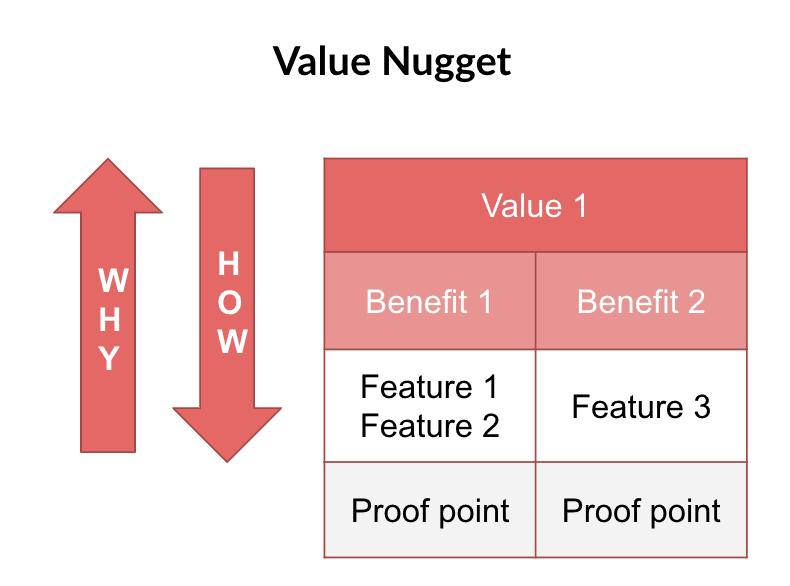
Everyone knows the saying: “people don’t buy a drill, they buy a hole in the wall.”
They turn “save time” into “close deals 30% faster.”
They turn “reduce errors” into “protect 5% of annual revenue.”
That’s what makes value messaging believable. It’s not louder… it’s sharper.
And that’s why great value-centric messaging is best defined once a company has reliable proof: customer stories, quantified outcomes, repeatable success.
It’s not something you claim… it’s something you earn.
So while early-stage teams rush to sound visionary, the best late-stage ones sound measured. They know the numbers, they show the results, and they build belief by proving the delta.
Structure and tone: the language of confidence
One of the clearest signals in the data was how sentence structure shifts as companies mature.
- Declarative statements: 71%
- Imperative commands: 19%
- Aspirational phrases: 7%
- Questions: 3%
Later-stage language skews more declarative. Early teams show relatively more aspirational lines and the occasional question, though both are still the minority overall.
Declarative headlines project certainty. They say, “This exists. It works. You need it.”
Imperatives add urgency. Aspirational lines sell vision. Questions invite empathy but also hesitation.
It’s a reflection of posture, not polish. The more confident a company is in its data, adoption, or leadership, the more declarative its language becomes.
The hardest part of marketing isn’t attention, it’s belief. Buyers don’t respond to nuance; they respond to conviction. Tone isn’t decoration. It’s evidence of belief.
The best companies write like they’ve already earned trust because they have.
What companies are really promising
When you strip away the design and the demo CTAs, every AI SaaS hero page is making one of five promises:
- Time savings or efficiency (44%)
- Revenue growth (22%)
- Convenience or ease of use (11%)
- Risk mitigation or security (9%)
- Cost reduction (8%)
That 44% bucket, efficiency, dominates the market. But “efficiency” is doing a lot of heavy lifting.
When I unpacked the efficiency claims in the dataset, they split into five subtypes, each reflecting a different buyer mindset and stage of operational maturity.
- Speed (31%): for operators under pressure to move faster.
- Automation (26%): for teams seeking leverage and scale without headcount.
- Focus (18%): for managers looking to reallocate time toward strategic work.
- Simplicity (15%): for founders and teams tired of tool overload.
- Scalability (10%): for executives aiming for repeatable, predictable output.
These subtypes matter because they signal who you’re really selling to and how far your buyer is from the problem.
- Speed converts when urgency is high and switching costs are low.
- Automation converts when pain is repetitive and measurable.
- Focus converts when context switching is the silent killer.
- Simplicity converts when bloat has replaced clarity.
- Scalability converts when process is the constraint, not performance.
When I work with clients, this is often the missing layer. They have value language but not value precision.
They’ll say “save time” when what they mean is “reduce operational drag.” They’ll say “improve productivity” when they could quantify “increase output per rep by 40%.”
Precision is what makes value believable. It’s the difference between a polite nod and a signed demo.
The companies that win aren’t louder. They’re clearer about what “better” actually means.
The proof layer: what builds belief
The supporting text under the headline does one of three jobs:
- Elaboration (65%): adds clarity or detail.
- Trust (21%): social proof, numbers, or credibility.
- Feature explanation (9%): connects benefit to mechanism.
This is the part of the hero section that separates good from great.
If your headline makes a claim, your subtext should translate it into a number, a name, or a mechanism. Pick one.
Two quick contrasts:
- Strong: “Give every employee an AI assistant that puts your company’s knowledge to work.”
- Weak: “Accelerate innovation through collaborative intelligence.”
Visuals and CTAs: motion reflects model
Even in an era obsessed with PLG, 68% of AI SaaS sites still rely on a ‘book a demo’ CTAs. Only 24% lead with ‘start free’ or ‘try it now’.
That single statistic shows most AI companies still sell through a high-touch, consultative motion.
Their products are complex and enterprise-leaning, and buyers still expect a conversation before committing.
So the website’s job isn’t to close a deal. It’s to hand momentum to sales.
The surrounding elements reinforce this motion.
Customer logos
- 81% of companies use customer logos directly in the hero.
- Logos appear most often immediately below the headline or CTA.
- Their function is almost always to build trust quickly by showing real adoption or credibility.
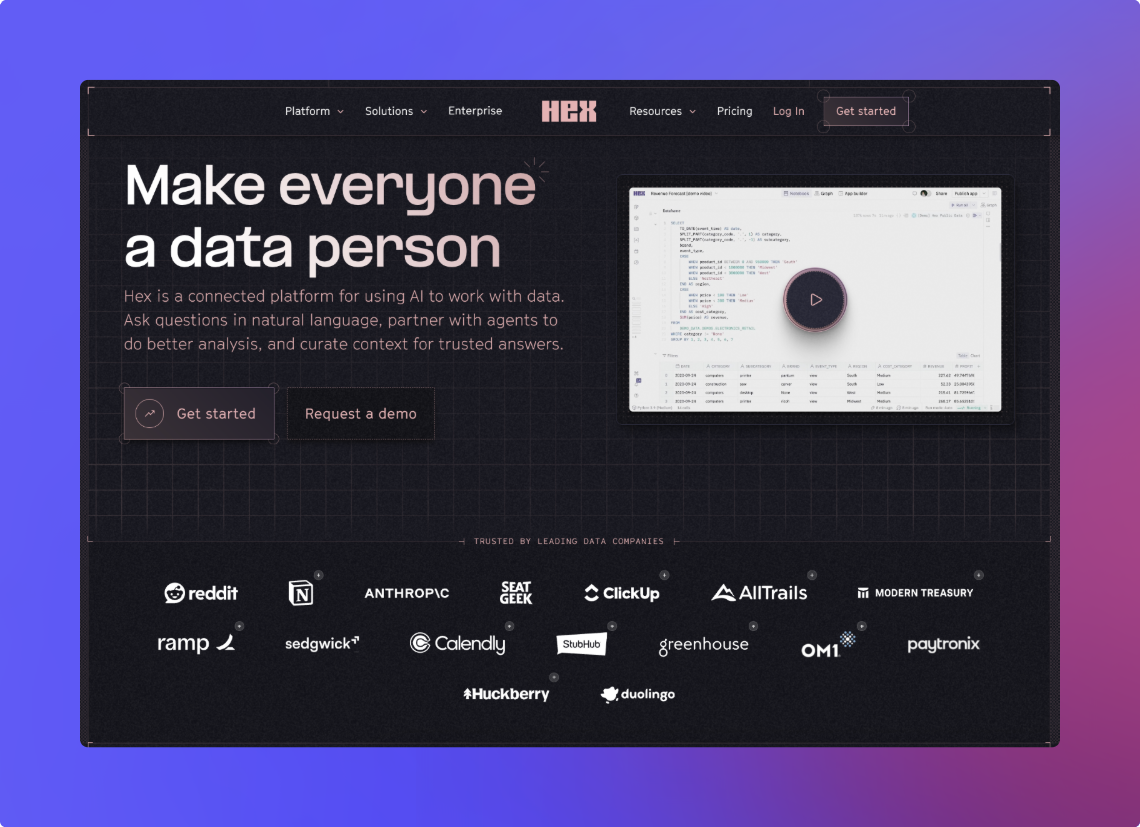
In early-stage companies, logos act as validation. In later-stage companies, larger sets of logos appear as social proof. Regardless, they’re an instant shortcut to credibility.
Static images and product videos
- 55% use static product images.
- 22% use looping product videos or short animations.
Static UI shots are still the default. They clarify what the product is in a glance.
Videos are less common but typically appear once a company has a mature product story to show, demonstrating flow, motion, or real-world use.
That shift from static to dynamic tends to correlate with funding maturity, suggesting that as resources grow, so does investment in visual storytelling.
Metrics
- Around one-third of companies include metrics in the hero, usually alongside or beneath social proof.
- The most common patterns are user counts (“Trusted by 500,000+ users”) and performance claims (“4× faster”, “50% cost reduction”).
Metrics offer quantified proof. They turn abstract promises into something a buyer can test or imagine.
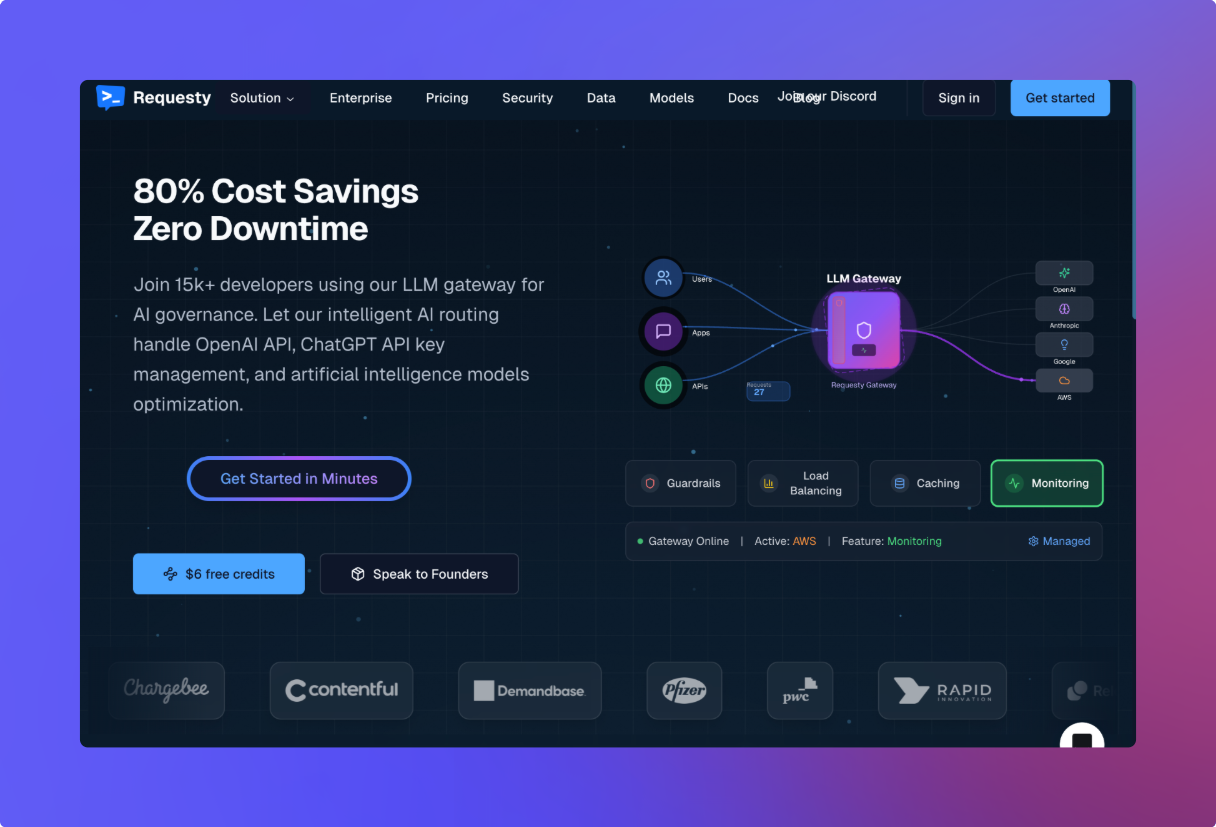
The most effective examples pair the number directly with the headline’s promise, like a productivity claim supported by a speed or output metric.
The messaging maturity curve
The patterns in the dataset tell a simple story. As companies grow, the hero message grows up too. The center of gravity moves from what it is, to what it does, to what it means.
Seed and Series A: earn comprehension first
- Start by naming the thing. Four to six words. Concrete noun. No poetry. The supporting line explains the mechanism or the workflow it replaces, often with a quick nod to who it is for.
- Visuals are functional screenshots that remove ambiguity.
- The primary job is comprehension, not persuasion.
Series B and Series C: translate capability into consequence
- With live customers and repeatable wins, the headline shifts from capability to consequence.
- The subtext pays off the claim with credibility.
- You see customer logos, specific metrics, and short product clips that answer the buyer’s next question: show me.
Series D and beyond: claim the meaning, not the mechanic
- Late-stage language is calm, declarative, and unhurried. Category leaders do not ask; they state. The headline talks about value and stakes, not features.
- The subtext asserts leadership and scope, showing how the platform supports multiple teams, use cases, or an ecosystem.
Each stage earns the right to the next. You can’t communicate authority before you’ve earned belief, and you can’t earn belief before you’ve built understanding.
When teams try to skip ahead, the story breaks… not because the words are wrong, but because the evidence isn’t there yet.
Outliers that prove the rule
Every pattern has exceptions, but the smartest exceptions aren’t accidents. They’re intentional breaks built on context.
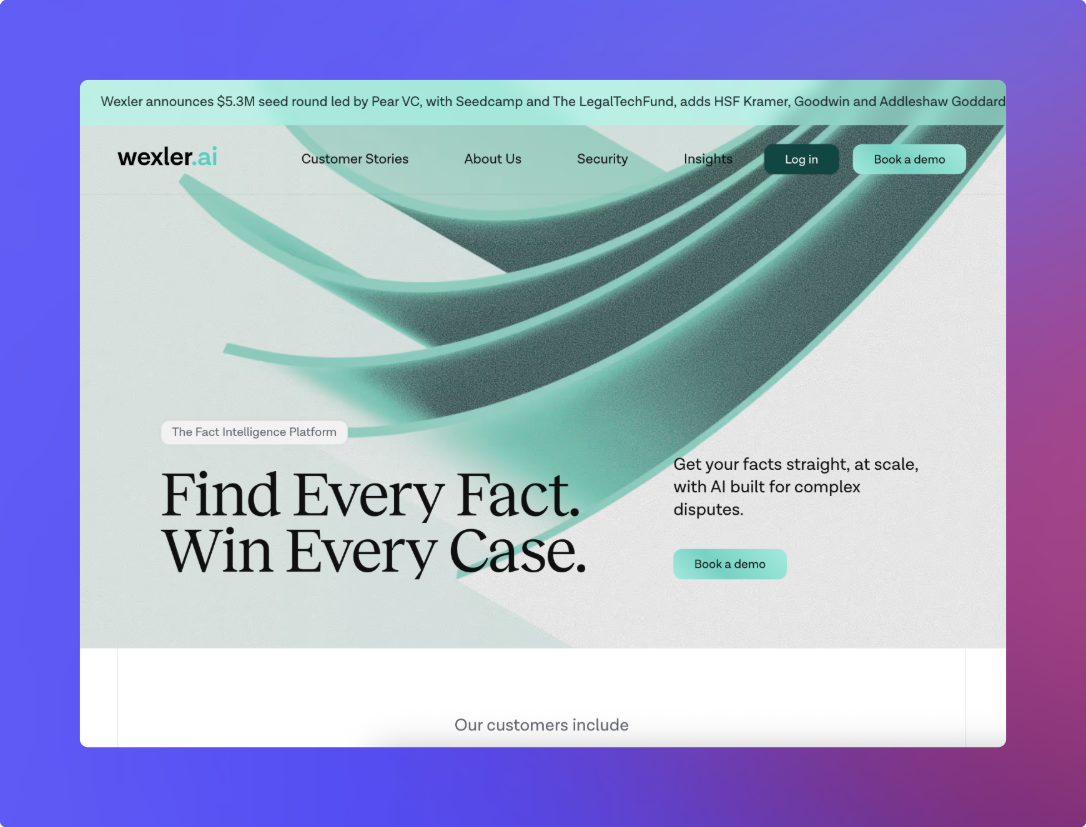
Wexler: “Find every fact. Win every case.”
A value-focused, transformation-level headline from a company barely out of seed stage. It works because the vertical is narrow, the outcome is emotional, and the link between product and value is obvious. It’s a lesson in confidence with context: bold claims land when they’re believable inside a defined niche.
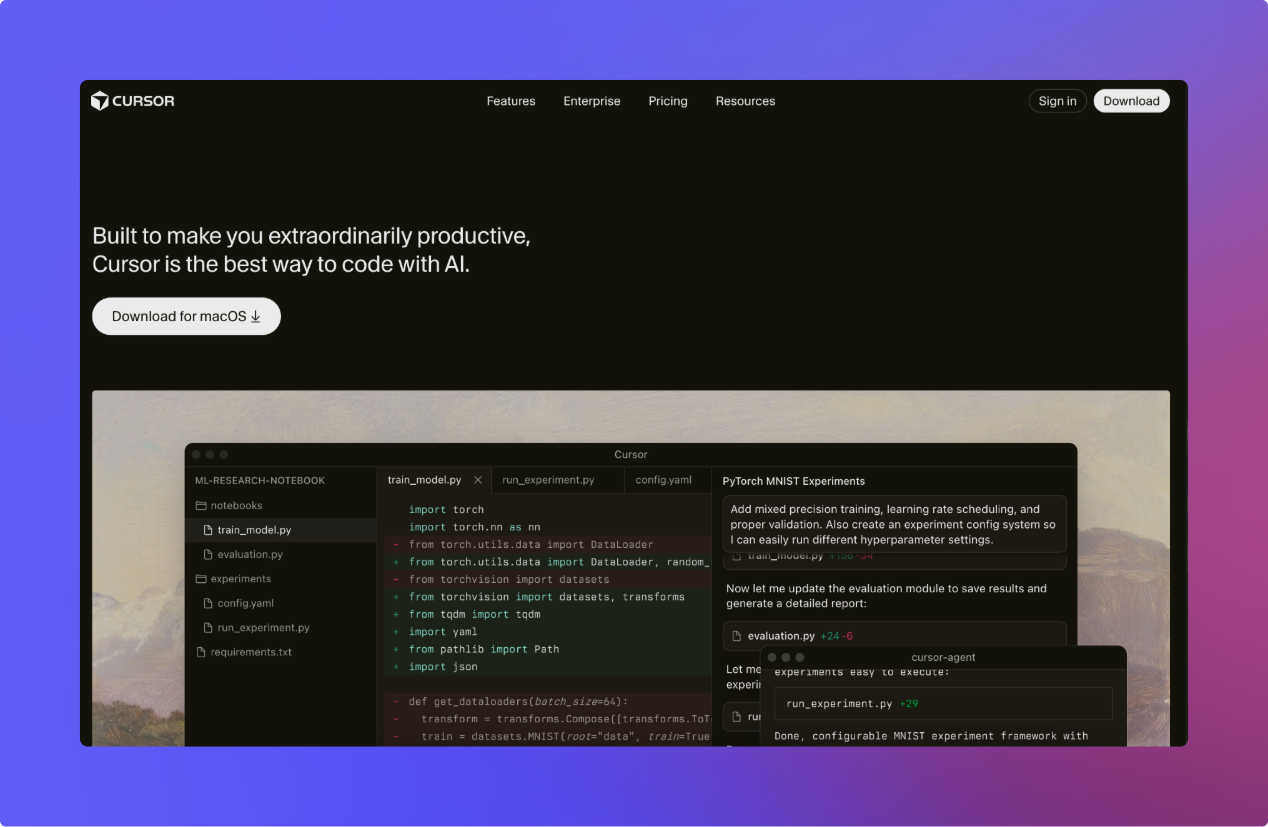
Cursor: “Built to make you extraordinarily productive.”
Despite serving a technical audience, Cursor leads with value, not features. The message isn’t “AI code editor” or “developer copilot.” It’s a clear promise of outcome: extraordinary productivity. That’s what every developer ultimately optimizes for. It proves you can write value-centric messaging early, as long as the value is immediate, measurable, and credible.
Ramp: “Time is money. Save both.”
Late-stage clarity at its best. No metaphors. No jargon. Just a universal truth expressed with perfect compression. While others chase originality, Ramp wins by distilling the value everyone understands but few state so cleanly.
The thread between them is conviction. Wexler shows focus. Cursor shows confidence. Ramp shows clarity.
Each breaks the pattern, but none break the system. They still obey the same rule of message-market fit: your clarity must match your customer’s context. When your value is obvious, your job isn’t to decorate it. It’s to express it cleanly, not cleverly.
How great messaging really works
After reviewing 100 AI startup homepages, my takeaway is not that great messaging is clever or unique or random. It’s that great messaging is possible for everyone – with the right inputs, and the right system.
First you earn comprehension. Then you earn belief. Then you earn authority.
That sequence is not optional. If you try to sell meaning before you have proof, the message collapses. If you stay stuck in features after you have outcomes, you leave money on the table.
Messaging is not decoration. It’s a system that turns what you know about the customer into language that moves them in the right order, at the right time.
The companies that win do three things consistently:
- They state what the product is when clarity is the constraint.
- They prove what it does once results exist.
- They quantify why it matters once the market trusts them.
Every great message is a sequence of earned beliefs. You don’t buy attention; you earn comprehension, belief, and authority. The companies that win don’t shout louder: they think clearer.
Thanks for reading! Let me know what you thought – find me on Twitter and LinkedIn.
P.S: If you enjoyed this post, will you share Building Momentum with your network?